What Is Civil Construction? A Complete Guide
What Is Civil Construction? A Complete Guide
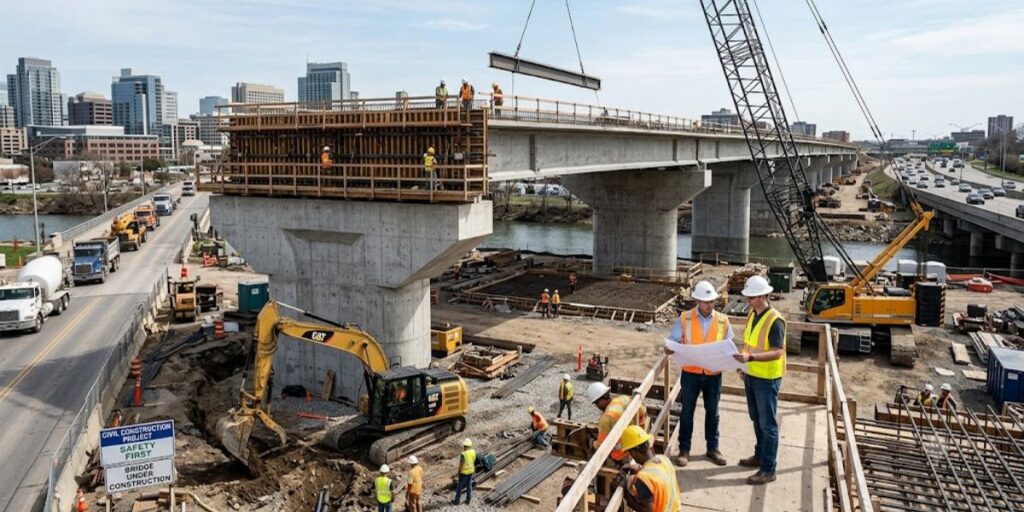
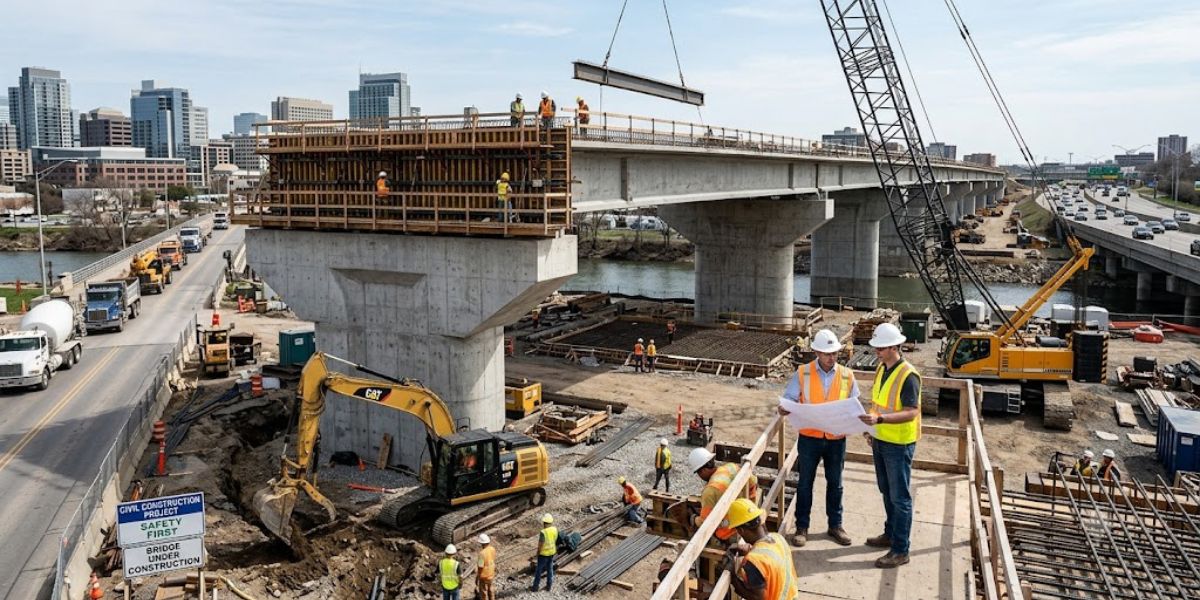
Civil construction is one of the oldest and most essential branches of the construction industry, encompassing the planning, design, and building of infrastructure that supports everyday life. From the roads we drive on to the bridges we cross and the water systems that keep our cities running, civil construction shapes the physical world around us.
Whether you’re a business owner exploring infrastructure investment, a student considering a career in construction, or simply curious about how the built environment comes together, understanding civil construction is key to appreciating the foundation of modern society.
Defining Civil Construction
Civil construction refers to the process of designing, building, and maintaining physical structures and infrastructure that serve public and private needs. Unlike residential or commercial building construction, which focuses on individual structures like homes and offices, civil construction deals with large-scale infrastructure projects that benefit communities, industries, and governments as a whole.
This field falls under the broader discipline of civil engineering and typically involves collaboration between engineers, architects, contractors, project managers, and government agencies. Civil construction projects are often publicly funded, though private companies also invest heavily in infrastructure to support their operations, such as building access roads, utility networks, or drainage systems for industrial sites.
Key Types of Civil Construction Projects
Civil construction covers a wide range of project types, each serving a distinct purpose in supporting public infrastructure and economic development.
Transportation Infrastructure
This includes the construction of roads, highways, bridges, tunnels, railways, and airports. Transportation projects are among the most visible forms of civil construction and require careful planning to accommodate traffic flow, safety standards, and long-term durability.
Water and Sewage Systems
Civil construction teams build and maintain water treatment plants, sewage systems, storm drains, and irrigation networks. These systems are critical for public health, agriculture, and environmental management.
Energy and Utility Infrastructure
Power plants, electrical grids, pipelines, and renewable energy installations such as wind farms and solar facilities all fall under civil construction. These projects require specialized knowledge of both engineering and energy systems.
Public Facilities
Schools, hospitals, government buildings, parks, and recreational facilities are often built under civil construction contracts, especially when funded by municipal or federal governments.
Earthworks and Land Development
Before any structure can be built, land often needs to be graded, excavated, or stabilized. Civil construction includes site preparation work such as excavation, grading, drainage planning, and soil stabilization.
The Civil Construction Process
Civil construction projects generally follow a structured process to ensure safety, efficiency, and compliance with regulations.
- Planning and Feasibility Studies
Every project begins with assessing whether it is technically, financially, and environmentally viable. This stage involves site surveys, environmental impact assessments, and budget forecasting.
- Design and Engineering
Civil engineers develop detailed blueprints and technical specifications, factoring in load-bearing requirements, materials, safety codes, and environmental conditions.
- Permitting and Approvals
Before construction begins, project teams must secure the necessary permits and approvals from local, regional, or national authorities to ensure compliance with zoning laws and safety regulations.
- Construction and Execution
This is the physical building phase, involving excavation, material procurement, equipment operation, and coordinated labor. Project managers oversee timelines, budgets, and safety protocols throughout this stage.
- Quality Control and Testing
Structures undergo rigorous testing to confirm they meet engineering standards and safety codes before being handed over for public or private use.
- Maintenance and Lifecycle Management
Civil infrastructure requires ongoing maintenance to remain safe and functional over its lifespan, which can range from decades to over a century depending on the project type.
Civil Construction vs. Building Construction
While both fields fall under the broader construction industry, civil construction and building construction differ significantly in scope and purpose. Building construction focuses on the design and erection of individual structures such as homes, offices, and retail spaces, prioritizing aesthetics, interior functionality, and occupant comfort.
Civil construction, on the other hand, is primarily concerned with infrastructure that serves broader public or industrial purposes. It tends to involve larger-scale projects, longer timelines, heavier machinery, and closer coordination with government bodies. Civil engineers on these projects must also account for environmental factors, load distribution across large spans, and long-term durability under variable weather and traffic conditions.
Skills and Roles in Civil Construction
A successful civil construction project relies on a diverse team of professionals. Civil engineers handle the technical design and structural integrity of a project, while project managers coordinate schedules, budgets, and resources. Surveyors assess land conditions before construction begins, and heavy equipment operators handle excavation and material transport. Safety officers ensure compliance with occupational health regulations, and environmental consultants assess and mitigate the ecological impact of large-scale projects.
Why Civil Construction Matters?
Civil construction underpins nearly every aspect of modern life. Without well-built roads and bridges, goods could not move efficiently across regions. Without water treatment infrastructure, communities would struggle to access clean drinking water. Without power grids, homes and businesses would be unable to function. Beyond its practical necessity, civil construction also drives economic growth by creating jobs, attracting investment, and enabling further development in surrounding areas. As populations grow and urban areas expand, the demand for skilled civil construction professionals and innovative infrastructure solutions continues to rise.
Frequently Asked Questions
What is the main difference between civil construction and civil engineering?
Civil engineering is the discipline focused on designing and planning infrastructure, while civil construction refers to the physical process of building that infrastructure. Civil engineers typically create the plans, while civil construction teams execute them on-site.
What are some common examples of civil construction projects?
Common examples include roads, highways, bridges, airports, water treatment plants, dams, power grids, pipelines, and public buildings such as schools and hospitals.
Who typically funds civil construction projects?
Many civil construction projects are funded by government bodies at the municipal, regional, or national level, since they serve the public. However, private companies also fund civil construction for industrial facilities, utility access, and commercial developments.
How long do civil construction projects typically take?
Timelines vary widely depending on project scope. Smaller projects like local road repairs may take a few weeks, while large-scale infrastructure such as highways, dams, or airports can take several years to complete.
What qualifications are needed to work in civil construction?
Roles vary from skilled trades and equipment operation, which often require vocational training or certifications, to engineering and project management positions that typically require a relevant degree and professional licensing.
What is the biggest challenge in civil construction projects?
Managing budgets, timelines, environmental impact, and regulatory compliance simultaneously is often the biggest challenge. Unexpected site conditions, weather delays, and material shortages can also complicate project execution.
How does civil construction impact the environment?
Large-scale construction can affect local ecosystems, water sources, and air quality. Many modern projects incorporate environmental impact assessments and sustainable building practices to minimize negative effects.
Is civil construction a good career path?
Yes, civil construction offers strong career prospects due to consistent demand for infrastructure development and maintenance worldwide. It offers diverse roles ranging from hands-on trades to engineering and management positions.
Related Articles
Bulk Earthworks vs General Earthworks: What’s the Difference?
Earthworks form the base of almost every construction project whether it is…

How Much Does a Driveway Cost to Build in Perth?
Constructing a new driveway in Perth can drastically change the appearance and…
How to Prepare the Ground for a Horse Arena
A well developed horse arena begins from under the surface. Before implementing…