Bulk Earthworks vs General Earthworks: What’s the Difference?
Bulk Earthworks vs General Earthworks: What’s the Difference?
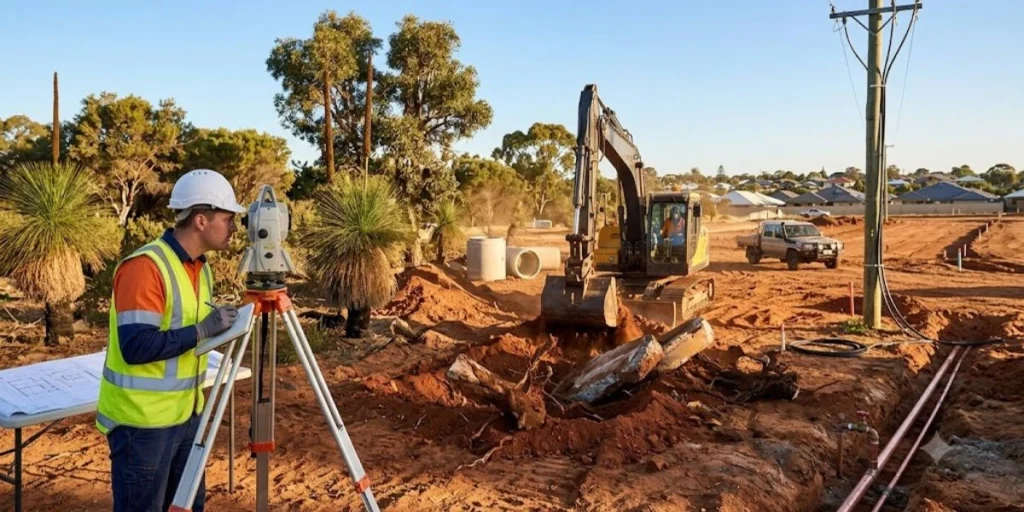
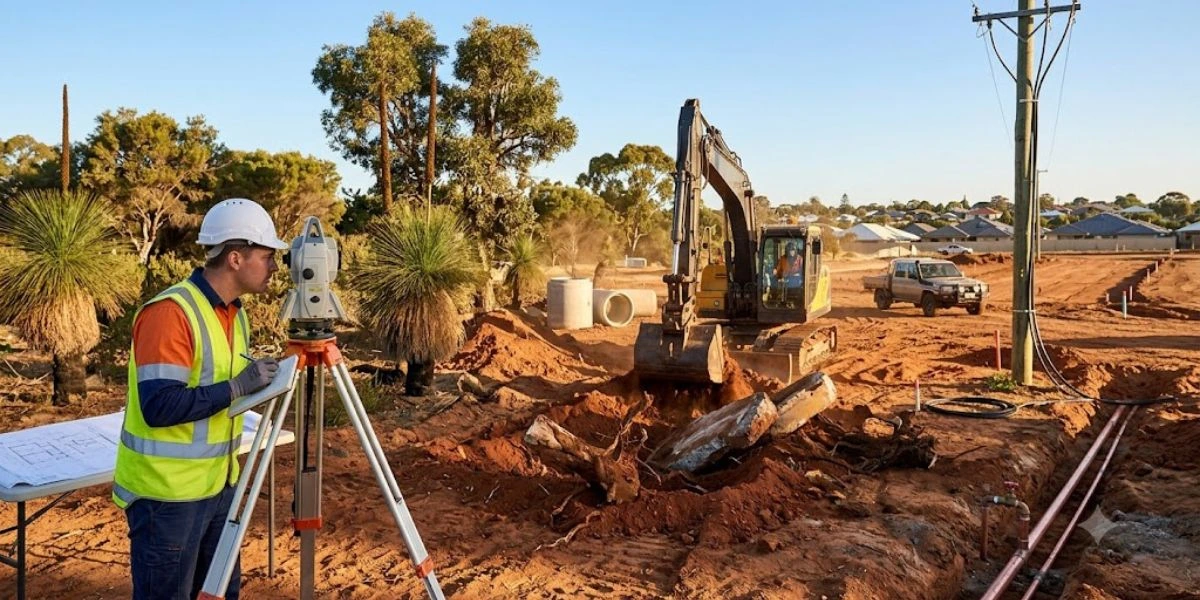
Earthworks form the base of almost every construction project whether it is a residential development or a large scale civil infrastructure. Before constructing a single wall or pouring a concrete slab, the ground must be leveled and prepared to support the structure. Two terms that often come up in the earthworks industry are bulk earthworks and general earthworks. They may sound similar and are often used interchangeably by those outside the industry. They go through distinct stages and scopes along with levels of precision within the site preparation process.
It is important for property developers and project managers along with homeowners who are planning major renovations to get to know the difference. Choosing the right type of earthworks contractor and service at the appropriate stage can save a lot of time and effort down the line.
This guide discusses what bulk earthworks and general earthworks actually are and how they are different in terms of scope and purpose. Also you will get to know how they get integrated into a typical construction timeline.
What are Bulk Earthworks?
Bulk earthworks are the large scale moving and excavation along with reshaping of soil and rock on a construction site. This is generally the very first physical activity to take place on an unconstructed piece of land after all approvals have been obtained. The goal of large scale earthworks is to change an unconstructed or uneven plot of land into a usable building platform by removing or redistributing large volumes of earth.
Bulk earthworks projects are calculated in thousands or even millions of cubic metres of material and are usually associated with major developments like residential subdivisions and shopping centres along with industrial areas and major road. Due to their scale, bulk earthworks need heavy machinery like excavators or compactors for functioning in a coordinated and high volume workflow. Major activities in bulk earthworks include:
- Site clearing and vegetation removal over large areas
- Excavation and filling to get a designed overall site level
- Bulk excavation of unsuitable or excess material
- Importing and placing fill material to raise low-lying areas
- Rough grading to establish overall site contours and drainage slopes
- Construction of haul roads and temporary access roads for machinery
- Erosion and sediment control measures during large-scale earthmoving
Bulk earthworks are usually controlled by wider design tolerances that work in later stages. Since the goal at this stage is to build the overall shape and levels of the site instead of getting fine and precise finishes. Tolerances are often calculated in the order of tens to hundreds of millimeters as opposed to the few millimeters needed later.
What is General Earthworks?
General earthworks is sometimes regarded as fine earthworks and occur after the bulk earthworks phase has been completed. This stage aims to refine and finish the site to the precise elevations and scopes along with specifications needed for the actual construction of buildings and roads along with drainage systems and landscaping.
While bulk earthworks include moving large volumes of material to build a rough platform, general earthworks are all about precision. This stage usually includes much smaller volumes of soil and managed using smaller and more portable machinery like mini excavators or compact loaders along with hand tools in sensitive areas.
Major general earthworks activities include:
- Precise grading to fine design levels for developing platforms and ramps along with pathways
- Excavation of trenches for services such as water and sewage along with stormwater and electricity
- Preparation of subgrade and sub-base layers for paving and concrete slabs
- Compaction testing and quality control to meet engineering specifications
- Preparation for site landscaping, including topsoil spreading and final grading
- Excavation and backfilling for retaining wall foundations
- Final shaping for drainage to ensure correct water flow around structures
General earthworks need much stronger tolerances than bulk earthworks, usually within a few millimeters because the results directly affects the structural integrity and drainage efficiency along with aesthetic finish of the completed project. This stage also generally includes more detailed surveys and more regular checks of elevations along with closer functioning with architects and other tradespeople.
The Key Differences In A Nutshell: Bulk Earthworks vs General Earthworks
Although both procedures include earthmoving, the difference between bulk earthworks and general earthworks lie in the following factors:
1. Scale and volume
Bulk earthworks include large volumes of material across an entire site or different sites which is usually measured in thousands of cubic meters. General earthworks include smaller and more localized volumes that aim at particular areas such as building platform or a ramp.
2. Accuracy and tolerances
Bulk earthworks operate with broader tolerances, as the goal is to create a usable platform in its entirety. General earthworks require fine, precise tolerances, as the final result must align exactly with architectural and engineering plans.
3. Equipment used
Bulk earthworks rely on heavy machinery such as bulldozers, scrapers, and articulated dump trucks. General earthworks use smaller, more manoeuvrable equipment suitable for detailed, confined, or sensitive work areas.
4. Timing in the project lifecycle
Bulk earthworks take place first, transforming raw land into a rough building platform. General earthworks follow, refining that platform into a site ready for construction, with precise elevation levels and utility trenches already in place.
5. Objective
Bulk earthworks determine the macro-shape, drainage slopes, and usable footprint of a site. General earthworks prepare the micro-details necessary for actual construction to begin, including precise platform levels, compacted sub-bases, and utility connections.
Why The Distinction Is Important?
Understanding the difference between large-scale earthworks and general earthworks is important for several practical reasons. Firstly, it affects project budgeting and scheduling, as bulk earthworks are typically priced based on the volume of material moved, whereas general earthworks are often priced by area or task, reflecting the more detailed nature of the work. Secondly, it influences which contractors to hire, since not all earthworks companies are equipped or experienced in both large-scale excavation and precision work for fine finishing. Thirdly, it impacts risk management, because errors during large-scale earthworks such as incorrect overall site levels, can be costly and difficult to rectify once general earthworks and construction have already commenced.
For developers and project managers, hiring the right specialists at each stage and ensuring a clear handover between the bulk and general earthworks teams is one of the most effective ways to ensure a project is completed on time and within budget, while meeting the required engineering standards.
Frequently Asked Questions
1. Are bulk earthworks always necessary before general earthworks can begin?
In most large-scale developments, yes. Bulk earthworks establish the overall site levels and drainage gradients, which are then refined during the general earthworks phase. For smaller projects, such as a single residential plot that is already relatively level, the bulk earthworks phase may be minimal or combined with general earthworks into a single, smaller operation.
2. Can the same contractor carry out both bulk and general earthworks?
Some larger earthworks companies offer both services and possess the necessary equipment to transition from large-scale excavation to fine finishing. However, many firms specialize in one or the other, as bulk earthworks require heavy machinery and large crews, whereas general earthworks call for smaller machinery and skills for detailed finishing. It is worth verifying a contractor’s experience and equipment fleet for both stages before engaging them for a comprehensive project.
3. How bulk earthwork is usually priced compared to general earthwork?
For bulk earthwork, quotes are typically expressed per cubic meter of material whether excavated, filled, or transported since the scope is primarily volume-based. General earthwork is more often priced per square meter, per linear meter of trenching, or as a fixed price for specific tasks; this reflects the detailed and variable nature of the work involved.
4. What happens if bulk earthwork is carried out incorrectly?
Errors during the bulk earthwork phase such as incorrect site levels, poor compaction, or inadequate slopes for drainage can lead to serious problems in later stages. These include water accumulation, foundation issues, and costly repairs once buildings or paving have already been installed. Therefore, accurate surveying and quality control during bulk earthwork are critical, even if tolerances are looser than those for general earthwork.
5. Do both types of earthwork require approval or permits from the local authority?
Generally, yes. Most jurisdictions require development approval and often a separate certificate for earthwork or construction before significant excavation or filling begins. Specific permit requirements can vary depending on the volume of material being moved, the site’s location, and local environmental regulations; it is therefore important to consult local authorities or your engineering consultant before work starts.
6. How long does each phase usually take?
Timeframes vary significantly depending on the size of the project. Bulk earthworks for a large subdivision can take weeks or even months due to the enormous volume of material involved. In contrast, general earthworks on the same project can be carried out in phases alongside construction; this often takes a similar or shorter total amount of time but is distributed across various parts of the site as building work progresses.
7. Is general earthworks the same as landscape design?
Not exactly, although they overlap. General earthworks typically prepare the ground to the correct structural levels and compaction standards required for construction, including the preparation of the subgrade beneath roads, driveways, and gardens. Landscape design usually follows general earthworks and focuses on visual and functional finishing touches such as topsoil placement, planting, and soft landscaping though some topsoil spreading may be included in the scope of general earthworks.
8. What equipment is essential for bulk earthworks?
Typical bulk earthworks equipment includes excavators, bulldozers, scrapers, articulated and rigid dump trucks, motor graders, and compactors. The specific machinery selected depends on the soil type, site access, material volume, and the transport distances involved.
Conclusion
Bulk earthworks and general earthworks are two distinct yet complementary phases of the same overall process: transforming raw land into a site ready for construction. Bulk earthworks handle the heavy lifting and reshape large volumes of soil to establish a generally usable platform, while general earthworks refine that platform with the precision required for the correct installation of buildings, services, and finishes. Recognizing the difference helps developers, project managers, and property owners plan more accurately, budget more effectively, and select the right contractors for each phase of their project, ultimately leading to a smoother construction process and a more reliable long-term result. Get in touch with Earthwest Civil to know more details on the two.
Related Articles

How Much Does a Driveway Cost to Build in Perth?
Constructing a new driveway in Perth can drastically change the appearance and…
How to Prepare the Ground for a Horse Arena
A well developed horse arena begins from under the surface. Before implementing…

Car Park vs Hardstand: What’s the Difference
When thinking to plan a residential or industrial development project, selecting the…