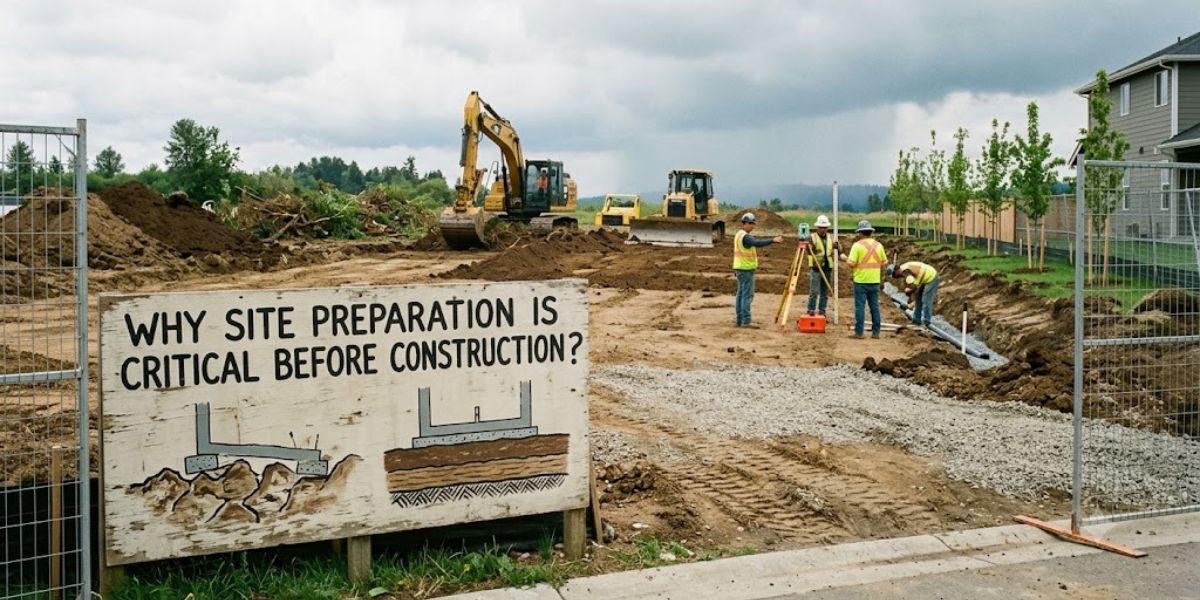
Why Site Preparation Is Critical Before Construction?
Why Site Preparation Is Critical Before Construction?
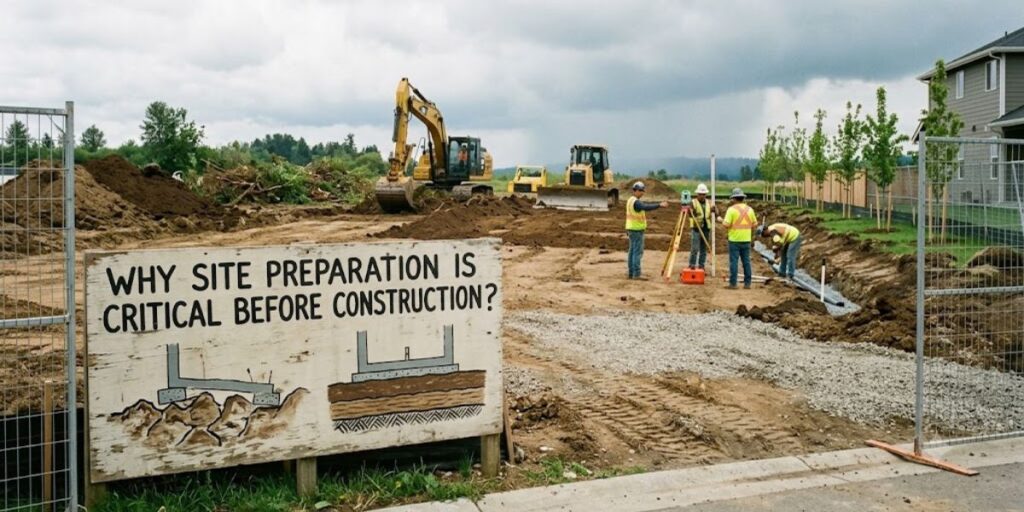
Every successful construction project starts long before the first concrete footing is poured or the first wall is built. One of the most important early stages is site preparation. It involves preparing the land so that construction can proceed on a stable, safe and suitable foundation.
Whether you are building a residential property, commercial facility, warehouse, road, subdivision or other infrastructure, proper site preparation can have a significant impact on the quality, durability and cost of the finished project.
Skipping preparation or rushing through this stage can lead to problems such as poor drainage, unstable ground, foundation movement, cracking, erosion and expensive repairs. For this reason, site preparation should be treated as a critical part of construction rather than simply preliminary work.
What Is Site Preparation?
Site preparation is the process of getting a construction site ready for building or civil works. It can involve a range of activities depending on the property’s existing condition and the requirements of the proposed project.
Common site preparation activities include:
- Site surveys
- Site clearing
- Removal of vegetation
- Demolition of existing structures
- Excavation
- Earthworks
- Grading and levelling
- Soil testing
- Filling
- Compaction
- Drainage installation
- Erosion and sediment control
- Access preparation
- Utility identification and relocation
The exact scope depends on factors such as soil conditions, terrain, existing structures, proposed construction and local requirements.
Why Is Site Preparation Important?
1. Creates a Stable Foundation
One of the primary objectives of site preparation is to create stable ground for construction.
Buildings transfer substantial loads into the soil. If the underlying ground is weak, uneven or poorly compacted, the structure may experience movement over time.
Proper excavation, filling and compaction help create a more consistent base for foundations, slabs, pavements and other structures.
Without adequate ground preparation, potential problems can include:
- Settlement
- Cracking
- Uneven floors
- Foundation movement
- Pavement failure
- Structural damage
Preparing the ground correctly from the beginning can significantly reduce these risks.
2. Identifies Soil Problems
Not every construction site has ideal soil conditions.
Some sites may contain:
- Soft or loose soil
- Expansive clay
- Uncontrolled fill
- Organic material
- Rock
- Contaminated material
- Poorly drained soil
Soil testing and site investigation can identify potential issues before construction begins.
If unsuitable material is discovered early, the project team can determine an appropriate solution. This may involve excavation and replacement, soil improvement, additional compaction or other engineering measures.
Identifying these problems before construction is generally much easier and less disruptive than discovering them after a building has been constructed.
3. Improves Drainage
Water management is another important part of site preparation.
Poor drainage can cause water to collect around foundations, access areas and other parts of the site. Excess moisture can contribute to soil instability, erosion and damage to construction materials.
Site preparation can establish appropriate levels and falls so that stormwater moves away from structures and towards suitable drainage systems.
Depending on the project, drainage works may include:
- Stormwater pipes
- Drainage pits
- Swales
- Culverts
- Channels
- Subsoil drainage
- Detention systems
Good drainage planning protects the site during construction and contributes to the long-term performance of the finished development.
4. Prevents Settlement
Settlement occurs when soil compresses or shifts under a load.
It can be particularly problematic when buildings or pavements are constructed over poorly compacted fill or unsuitable material.
Compaction is therefore a crucial site preparation activity. Appropriate equipment and procedures are used to compact soil or imported fill to the required density.
Proper compaction can help create a more stable platform for:
- Building foundations
- Concrete slabs
- Roads
- Driveways
- Car parks
- Hardstands
- Retaining structures
The required compaction standard depends on the type of construction and applicable engineering specifications.
5. Improves Construction Safety
A properly prepared site is generally easier and safer to work on.
Removing unnecessary vegetation, debris, unstable materials and existing hazards can reduce risks for workers and equipment.
Site preparation may also involve establishing:
- Safe site access
- Temporary drainage
- Construction entrances
- Equipment operating areas
- Material storage areas
- Temporary fencing
- Erosion controls
A well-organised site can make construction activities more predictable and reduce unnecessary hazards.
6. Makes Construction More Efficient
Good preparation can improve productivity once construction begins.
A level, accessible and properly prepared site allows contractors to work more efficiently. Construction equipment can move around the property more easily, materials can be delivered and stored appropriately, and foundation works can proceed without unnecessary interruptions.
Poor preparation can have the opposite effect.
For example, unexpected soft ground may require additional excavation after construction has already started. This can delay the project, increase labour costs and disrupt the construction schedule.
7. Protects the Finished Structure
Site preparation is closely connected to the long-term performance of a building or civil project.
Even high-quality construction materials cannot compensate for an unsuitable or poorly prepared base.
For example, a well-built driveway can still develop cracking or rutting if it has been constructed over weak or poorly compacted ground.
Similarly, a building foundation can be affected by ground movement if the site has not been appropriately assessed and prepared.
Proper preparation provides the underlying support required for the finished structure to perform as intended.
8. Helps Control Construction Costs
It may seem that additional site investigation and preparation increase project costs. However, proper preparation can help prevent expensive problems later.
Unexpected ground conditions can result in:
- Additional excavation
- Imported fill
- Additional engineering
- Construction delays
- Drainage modifications
- Rework
- Repairs
Identifying risks before construction allows them to be included in the project budget and schedule.
This makes costs more predictable and reduces the likelihood of major surprises during construction.
9. Supports Proper Site Levels
Site levels are important for foundations, roads, drainage, access and surrounding landscaping.
Earthworks can be used to achieve the required site levels by cutting high areas and filling low areas.
Proper grading can help:
- Establish building platforms
- Create suitable vehicle access
- Direct stormwater
- Reduce ponding
- Connect the site with existing roads
- Coordinate finished floor levels
Poorly planned levels can create drainage and access problems that may be difficult to correct later.
10. Helps Meet Planning and Construction Requirements
Construction projects may need to comply with various planning, engineering, environmental and safety requirements.
Depending on the location and project, this can include requirements relating to:
- Stormwater
- Erosion and sediment control
- Access
- Earthworks
- Environmental protection
- Soil management
- Construction waste
- Utility protection
Proper site preparation helps the project team address these requirements before major construction activities begin.
Common Site Preparation Steps
Although each project is different, site preparation commonly follows a sequence similar to the following.
1. Site Assessment
The site is inspected to understand existing conditions, access, terrain, vegetation, drainage and potential constraints.
2. Surveying
A survey can establish boundaries, levels and existing features. This information supports design and earthworks planning.
3. Soil Investigation
Testing can determine soil characteristics and identify potential problems such as weak ground or unsuitable material.
4. Clearing and Demolition
Vegetation, rubbish, unwanted structures and other obstacles may be removed.
5. Excavation and Earthworks
The site is cut, filled and graded to achieve the required levels.
6. Compaction
Fill and prepared soil are compacted to the required standard.
7. Drainage Installation
Temporary or permanent drainage infrastructure may be installed to manage water.
8. Final Grading and Inspection
The prepared site is checked against the project requirements before foundation or construction work begins.
What Happens If Site Preparation Is Poor?
Poor site preparation can create problems that become increasingly expensive to fix.
Potential consequences include:
- Foundation settlement
- Cracked concrete
- Uneven pavements
- Water pooling
- Erosion
- Structural movement
- Damaged drainage
- Construction delays
- Increased maintenance
- Costly reconstruction
In severe cases, inadequate preparation can compromise the performance and safety of the finished development.
How Long Does Site Preparation Take?
There is no standard timeframe because site preparation depends on the size and condition of the property.
A small residential block with relatively flat, clear ground may require only a short preparation period. A large commercial or industrial site with vegetation, existing structures, difficult soil and extensive earthworks can take considerably longer.
Factors affecting the timeframe include:
- Site size
- Ground conditions
- Amount of clearing
- Demolition requirements
- Excavation volumes
- Weather
- Drainage works
- Access
- Required approvals
- Availability of equipment
Final Thoughts
Site preparation is one of the most important stages of any construction project. It creates the physical conditions needed for foundations, roads, pavements and other structures to be built safely and effectively.
From soil testing and clearing to excavation, grading, drainage and compaction, each activity contributes to the stability and performance of the finished development.
Investing in proper site preparation can help minimise construction risks, improve efficiency, control costs and reduce the likelihood of expensive problems in the future.
Before construction begins, it is worth having the site properly assessed and working with experienced surveyors, engineers and contractors to determine what preparation is required. A strong project starts with properly prepared ground.
Frequently Asked Questions About Site Preparation
1. What is site preparation in construction?
Site preparation is the process of preparing land for construction. It can include surveying, clearing, demolition, excavation, earthworks, grading, filling, compaction, drainage and other activities required to create a suitable construction platform.
2. Why is site preparation important?
Site preparation helps create stable ground, manage drainage, improve construction safety and reduce the risk of settlement, cracking, erosion and other problems. It also helps construction proceed more efficiently.
3. What does site preparation include?
The work can include site assessment, surveying, soil testing, vegetation removal, demolition, excavation, filling, grading, compaction, drainage installation and preparation of construction access.
4. Is soil testing necessary before construction?
Soil testing can be important because it helps identify the characteristics and condition of the ground. Depending on the project, testing may identify weak soil, expansive clay, uncontrolled fill or other conditions that could affect construction.
5. What is compaction in site preparation?
Compaction is the process of mechanically densifying soil or fill material. It reduces air voids and increases the stability and load-bearing performance of the prepared ground.
6. What happens if land is not properly compacted?
Poorly compacted ground can settle under the weight of buildings, roads or other structures. This may result in cracking, uneven surfaces, foundation movement and other costly problems.
7. Does site preparation include drainage?
It can. Drainage is often an important component of site preparation, particularly where the property has poor natural drainage or the proposed development will significantly alter stormwater flows.
8. How does site preparation affect construction costs?
Proper preparation can help control costs by identifying ground and drainage problems before construction begins. Although preparation represents an upfront expense, it can reduce the risk of costly rework, delays and repairs.
Related Articles
Bulk Earthworks vs General Earthworks: What’s the Difference?
Earthworks form the base of almost every construction project whether it is…

How Much Does a Driveway Cost to Build in Perth?
Constructing a new driveway in Perth can drastically change the appearance and…
How to Prepare the Ground for a Horse Arena
A well developed horse arena begins from under the surface. Before implementing…